

Future-Ready Science Education Powered by AI & Global Access
Future-Ready Science Education is no longer a distant dream but a rapidly approaching reality, thanks to the transformative powers of artificial intelligence (AI) and the ever-expanding reach of global access. As we inch closer to a world where geographic and socio-economic barriers are progressively dismantled, the role of technology, especially AI, in shaping educational paradigms is becoming increasingly pivotal. This development promises an exciting era ahead for students around the globe, offering unprecedented opportunities for engagement and learning in the field of science.
The Role of AI in Enhancing Science Learning
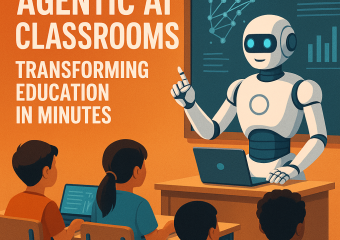
Artificial intelligence stands at the forefront of educational innovation, offering a range of tools that can make learning more accessible, personalized, and effective. In the realm of science education, AI can play a critical role by providing platforms that adapt to individual learning speeds, knowledge levels, and preferred learning modes. For instance, AI-powered virtual labs and simulators allow students to conduct experiments and explore scientific concepts without the need for expensive laboratory setups. This is particularly beneficial for under-resourced schools and can help bridge the educational divide.

Furthermore, AI can assist in the creation of dynamic curriculum that adjusts in real-time to the learner’s needs. Advanced algorithms can analyze student responses and automatically modify the content to challenge students just enough to keep them engaged and optimize learning outcomes. This kind of responsive educational environment prepares students to think critically and adaptively, skills that are essential in the fast-evolving landscape of science and technology.
Global Access: Breaking Down Barriers
Global access to education means making learning opportunities available to every individual, regardless of their geographical location or economic situation. In science education, this is incredibly important as the field requires a diverse pool of talent that can bring different perspectives and innovative ideas to tackle complex scientific challenges. Through the power of the internet and mobile technology, educational resources and scientific knowledge can reach every corner of the world.

Platforms like massive open online courses (MOOCs) offer science courses from top universities for free or at a minimal cost, making high-quality education accessible to everyone with an internet connection. This open access helps cultivate a global community of learners who can collaborate, share, and innovate together, driving forward the collective scientific knowledge and understanding.
Integrating AI and Global Access in Future-Ready Science Education
The integration of AI and global access is key to developing a future-ready science education system. AI can not only personalize learning at an individual level but also power platforms that bring together students from various parts of the world, fostering an inclusive educational environment. Virtual exchange programs and international science fairs held online can inspire cross-cultural collaboration and enhance global understanding.
An example of effective integration is the use of AI-driven analytics to understand learning patterns and outcomes across different regions and demographics. Such data can help educators and policymakers identify gaps in access and learning outcomes, leading to more targeted interventions and resource allocation.
Preparing for Tomorrow
As we prepare for a future that is intertwined with technology, the focus must also shift to developing digital literacy along with scientific knowledge. Ensuring that future generations are not only consumers of technology but also creators and innovators is essential. Educational curriculums need to include coding, data analysis, and ethical considerations in AI usage to equip students with the skills needed to navigate and shape the future tech landscape.
Conclusion
The fusion of AI and global access in science education heralds a new era of inclusivity, innovation, and interconnectivity. By embracing these technologies, educators can provide a robust educational foundation, prepare students for future challenges, and inspire a worldwide community of learners eager to contribute to the vast field of science. As we continue to advance in our technological capabilities, the vision of a globally connected, AI-powered educational system is not just possible—it’s imperative.