

Your AI Learning Toolkit: Step-by-Step Guides for Every Student
AI Learning Toolkit is a vital resource for students embarking on the journey of artificial intelligence education. As AI continues to transform industries, the demand for skilled professionals versed in this technology grows. However, for beginners, the amount of information available can be overwhelming. This article simplifies it by providing structured, step-by-step guides appropriate for learners at various stages.
Understanding AI Basics
Before diving into complex algorithms and models, it’s essential to build a solid foundation. Educational platforms like Coursera, Udacity, and edX offer introductory courses that cover fundamental concepts such as machine learning, neural networks, and data algorithms. These courses are designed by experts from prestigious institutions and companies, ensuring that you receive top-tier education.
For a more interactive experience, utilize tools like Google’s AI Experiments or apps like Grasshopper, which teach basics through games and simple coding exercises. This approach helps retain theoretical knowledge by applying it practically.
Building Your AI Learning Toolkit
Select the Right Resources
Every student’s learning style is unique, and the “one-size-fits-all” method does not apply when constructing an AI learning toolkit. Some learners may prefer in-depth books such as “Artificial Intelligence: A Modern Approach” by Stuart Russell and Peter Norvig, which is widely regarded as the bible of AI for beginners and advanced learners alike. Others might find online tutorials or MOOCs more engaging.
Engage with Simulation Tools
Simulating real-world problems through software platforms like TensorFlow or IBM Watson gives a hands-on approach to understanding complex AI issues. These platforms offer free versions or trial periods for beginners and have comprehensive documentation and community support to help you troubleshoot and learn as you develop your projects.
Join AI Communities and Forums
Engagement with communities can significantly enhance learning by exposing you to diverse perspectives and real-world problems. Platforms like Stack Overflow, Reddit’s r/MachineLearning, or specific Slack channels offer spaces where you can ask questions, share projects, and get feedback from experts around the globe.
Mastering Advanced Techniques
After you get comfortable with the basics and have your basic toolkit ready, advance your learning by focusing on specialized areas like deep learning, artificial neural networks, or AI ethics. Advanced courses are available on platforms like DeepLearning.AI, or you could even consider a master’s degree in AI from universities that offer such programs.
Practical Application Through Projects
Hands-on projects are crucial in the AI field. Try to implement the algorithms you study in projects like image recognition systems or natural language processing applications. Websites like Kaggle or GitHub offer resources where you can take part in real-world projects and competitions.
Continuous Learning and Adaptation
AI is a rapidly evolving field. Keeping up-to-date with the latest research, tools, and techniques is essential. Subscribe to AI newsletters, watch TED Talks on AI innovations, or even attend AI conferences and workshops.
Leveraging AI Tools for Efficient Learning
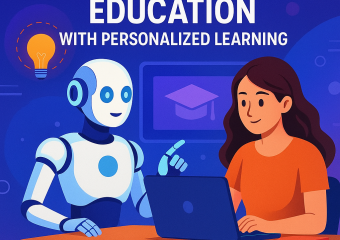
Technology itself can be a part of your learning toolkit. AI-based study aids like Quizlet or educational bots like Duolingo’s AI tutor can help reinforce your learning through repetition and personalized assistance, making your educational journey not only about learning AI but also using it.
Conclusion
Building your AI learning toolkit does not happen overnight. It unfolds as you progress from a beginner to an expert, continuously adapting and expanding. The key is to remain curious and proactive about learning, using every resource at your disposal effectively. With the right approach and tools, mastering AI can not only be attainable but also an exciting voyage of discovery. Remember, in the landscape of AI, learning itself mirrors the technology — constantly evolving and infinitely expansive.